

Are you managing the differential pressure of your heat exchangers?
Optimizing Heat Exchange Efficiency and Predictive Maintenance with LiLz Gauge and LiLz Insight
Overview
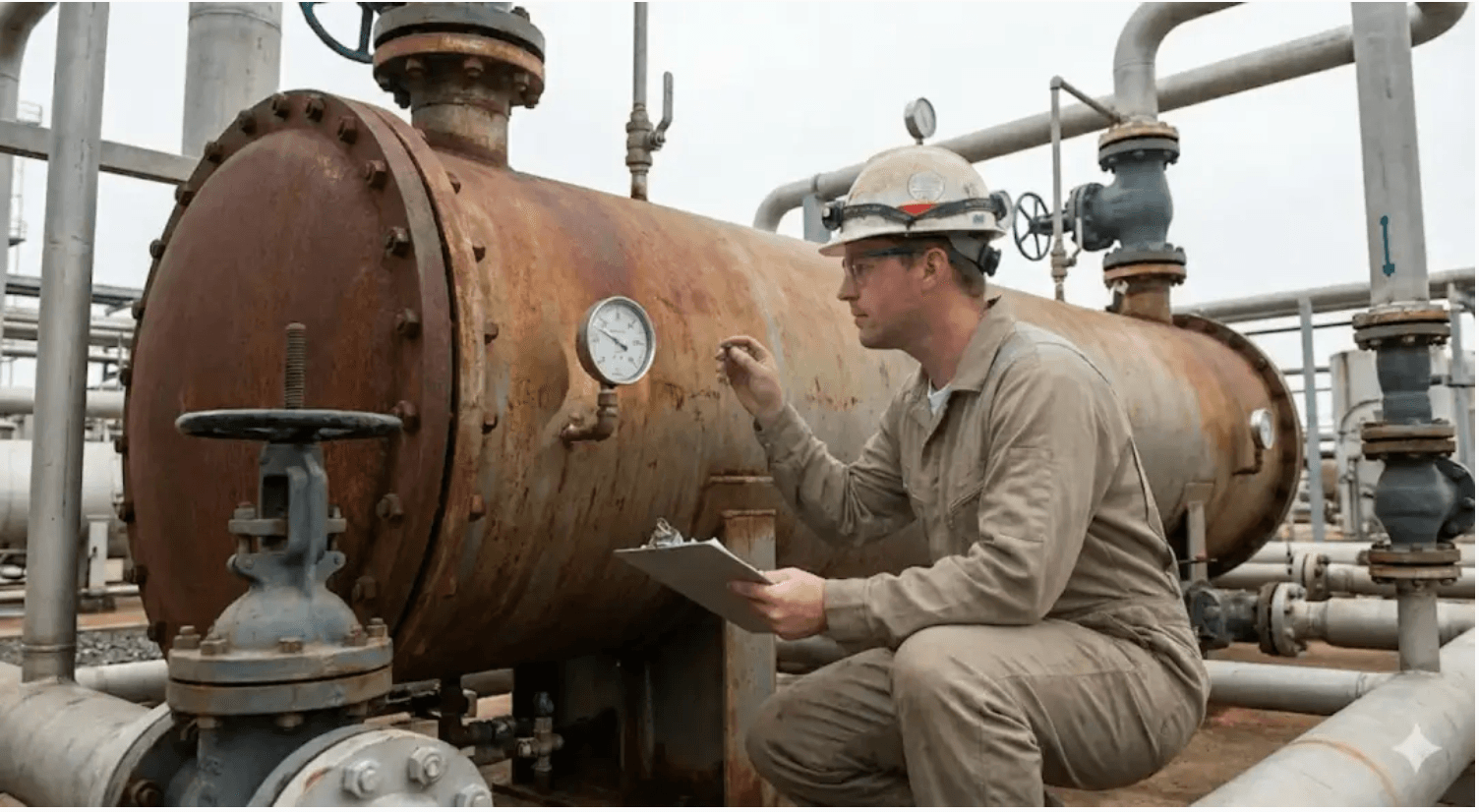
Heat exchangers are essential equipment in nearly every industry. Properly managing the pressure difference (differential pressure) between the inlet and outlet is directly linked to preventing equipment damage, maintaining productivity, saving energy, and optimizing maintenance costs. However, many sites face challenges such as the inability to install sensors in explosion-proof areas or due to wiring constraints, resulting in manual visual checks once a day. This solution visualizes the "invisible status" of heat exchangers by utilizing existing analog gauges through remote monitoring with LiLz Gauge and data analysis with LiLz Insight.
Target Audience
・Maintenance and manufacturing department personnel at industrial plants.
・Those looking to optimize heat exchanger cleaning cycles and reduce maintenance costs.
・Those aiming to improve energy efficiency and promote decarbonization.
・Those wishing to transition from management based on veteran tacit knowledge to explicit knowledge through digitized data.
On-site Challenges
1. Excessive maintenance or sudden shutdowns due to scheduled cleaning: Many sites perform periodic cleaning (e.g., every six months) regardless of the actual fouling status. This leads to unnecessary costs for equipment that is still functional or risks production inefficiency due to sudden clogging.
2. Unmonitored sub-equipment: While core production equipment is monitored via DCS (Distributed Control Systems), many other heat exchangers remain offline due to cost and installation barriers (wiring/explosion-proofing).
3. Energy loss from reduced heat exchange efficiency: Increased differential pressure (clogging) leads to excess consumption of steam and energy to reach target temperatures, resulting in a significant loss for carbon-neutral initiatives.
4. Unanalyzed raw data: Even if numerical values are recorded, there is often no established process to analyze trends and determine the optimal cleaning timing, leaving data underutilized.
Solution
LiLz Gauge × LiLz Insight: A Maintenance Solution through Analog Gauge DX
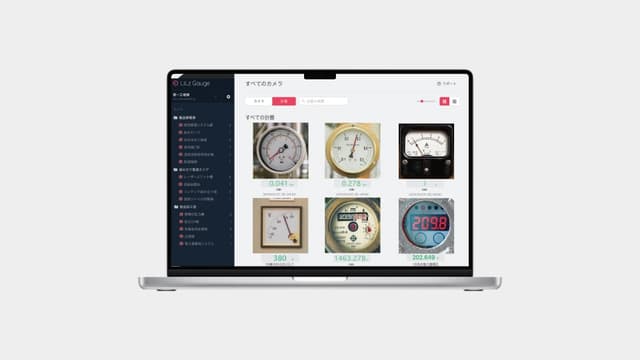
・Automated data acquisition with LiLz Gauge: Capture existing pressure or differential pressure gauges with wireless cameras (no power or network wiring required) to automatically digitize values.
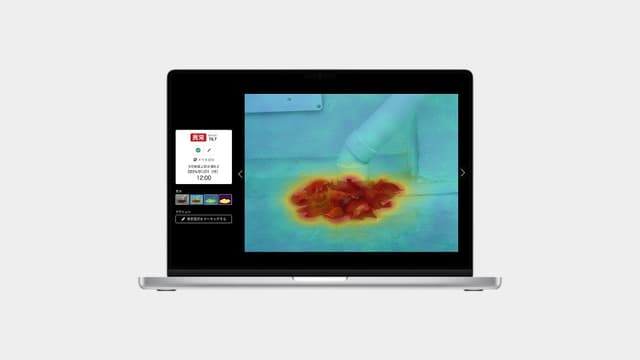
・Automated analysis with LiLz Insight: AI analyzes accumulated differential pressure data to generate weekly reports and notify users when specific thresholds are exceeded, predicting the optimal timing for cleaning.
How It Works
1.Camera installation: Place the LC Series camera in a position overlooking the inlet/outlet pressure gauges (or differential pressure gauge).
2. Setup: Define the reading area on LiLz Gauge and set thresholds for anomaly detection.
3. Data integration: Raw data is sent to LiLz Insight (AI Agent), which serves as a bridge between analog data and modern AI.
4.Action: Review weekly predictive maintenance reports to arrange cleaning or gasket replacement at the optimal time.
Expected Benefits
・Optimization of cleaning cycles (transition to CBM): Shift from time-based to Condition-Based Maintenance. Understand the variance in cleaning frequency across sites and equipment to achieve optimal operation.
・Improved energy efficiency and productivity: Maintain optimal heat exchange efficiency to suppress unnecessary steam consumption and ensure stable production conditions.
・Simple setup designed for the field: Highly rated by onsite personnel for its easy initial setup and low barrier to entry.
・Converting tacit knowledge to explicit knowledge: Transform the intuition of experienced workers that a system might be clogging into objective data based on actual measurements.
Implementation Examples
Examples of Implementation Planning
・Oil Refining and Chemical Plants:
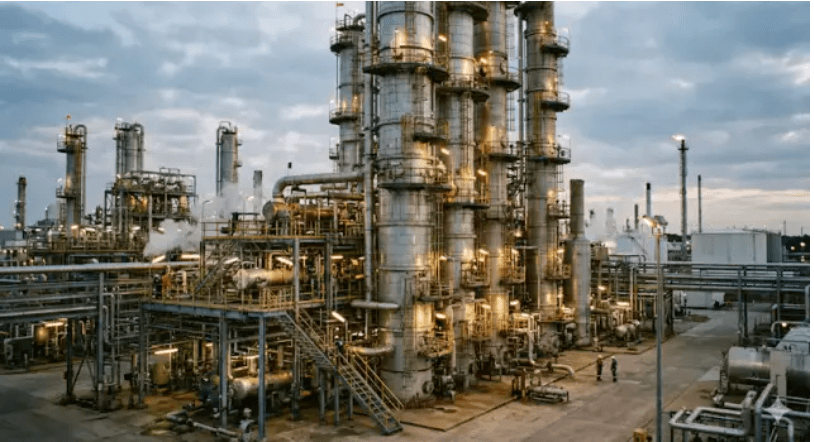
Enhance monitoring for equipment that falls outside primary DCS targets, such as atmospheric distillation units, in processes where heat exchange efficiency is critical.
・Facility Management and Public Infrastructure:
Visualize the pressure of equipment scattered across wide areas remotely to reduce patrol costs. When managing multiple manufacturing sites, it becomes easier to use data to compare the performance of heat exchangers of the same model or manufacturer and share optimal usage and maintenance methods.
・Improving Value-Added Proposals for Maintenance Contractors and Equipment Manufacturers:
By combining cleaning services or gasket sales with data-driven insights, it becomes possible to propose the optimal timing for replacement—essentially "staying ahead of parts replacement and cleaning." This system reduces the probability of sudden repairs and allows for proactive ordering of packings and gaskets with sufficient lead time, minimizing any negative impact on production efficiency.